


Maha Shivaratri — literally “The Great Night of Shiva” — is one of the most sacred and soul-stirring Hindu festivals of the year. Celebrated with devotion, fasting, meditation, and night-long vigils, this festival honors Lord Shiva, one of Hinduism’s principal deities associated with transformation, destruction of ignorance, and spiritual renewal.
What Is Maha Shivaratri?
Maha Shivaratri is an annual Hindu festival observed on the 14th night of the waning moon (Krishna Paksha) in the month of Phalguna (late winter/early spring). While Shivratri occurs every month, Maha Shivaratri — the great Shivratri — is the most important, blending deep spirituality with vibrant cultural traditions across India and beyond.
The festival embodies inner transformation — a chance to overcome darkness, ego, and ignorance through devotion, discipline, and awakening
When Is Maha Shivaratri Celebrated?
Because Maha Shivaratri follows the lunar calendar, its date changes each year on the Gregorian calendar, usually falling in February or March.
For example, in 2026 Maha Shivaratri falls on 15 February (Sunday), according to traditional calendar calculations.
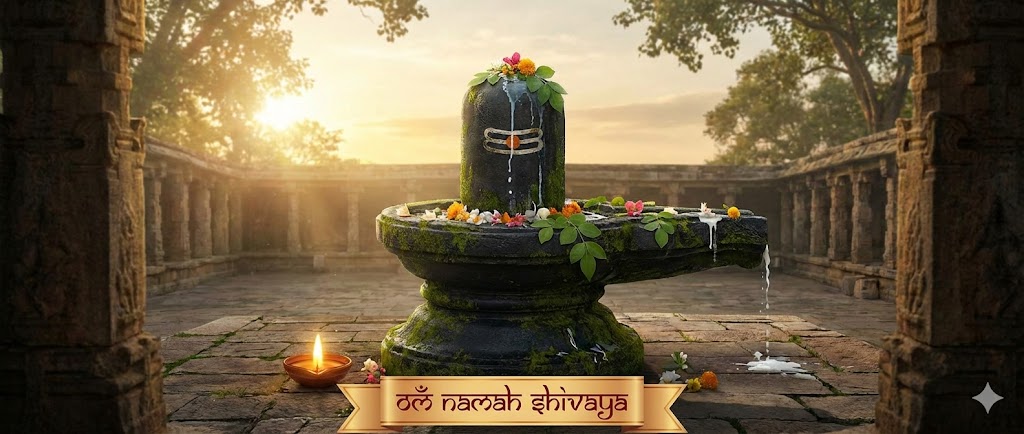
Maha Shivaratri 2026 Dates & Timings
Dedicated to the worship of Lord Shiva, Maha Shivaratri is celebrated every year on the 14th lunar day of the Krishna Paksha during the Hindu month of Phalguna. In 2026, devotees will observe this sacred occasion by following specific puja timings and ritual schedules, which are outlined below for reference.
- First Prahar Puja – 6:11 PM to 9:23 PM on 15 February 2026
- Second Prahar Puja – 9:23 PM to 12:36 AM on 15 February 2026
- Third Prahar Puja – 12:36 AM to 3:47 AM on 16 February 2026
- Fourth Prahar Puja – 3:47 AM to 6:59 AM on 16 February 2026
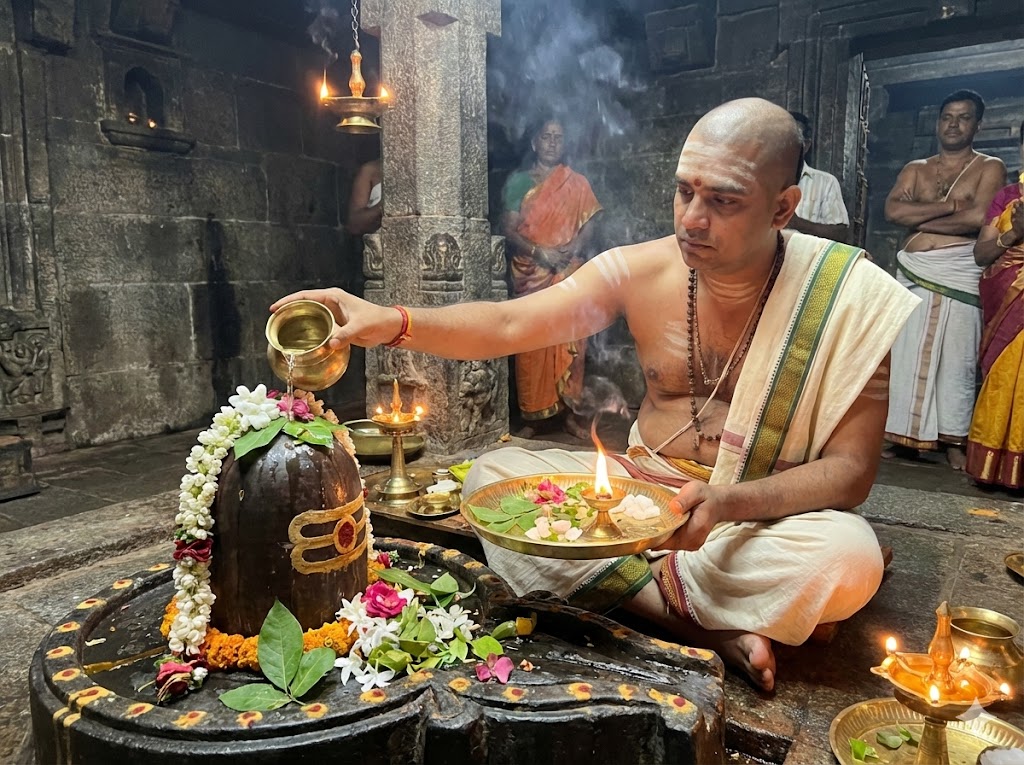
Spiritual Meaning & Significance
1. Great Night of Shiva
The name itself — Maha (great) + Ratri (night) — signifies a night dedicated to awakening the soul and connecting with Shiva’s divine presence. Devotees believe that sincere worship on this night can dissolve past sins and bestow spiritual growth.
2. Marriage of Shiva and Parvati
One legend says Maha Shivaratri celebrates the divine union of Lord Shiva and Goddess Parvati, symbolizing cosmic harmony and spiritual completeness.
3. Cosmic Dance (Tandava)
Another story relates that Shiva performed his Tandava — the dance of creation, preservation, and destruction — on this night. This cosmic dance represents life’s cycles and inspires devotees to embrace change.
4. Neelkanth Story
During the Samudra Manthan (churning of the cosmic ocean), deadly poison emerged. To save the universe, Shiva drank it, turning his throat blue — hence the name Neelkanth. Maha Shivaratri honors this supreme act of compassion and sacrifice.
How Maha Shivaratri Is Celebrated
Fasting and Purification
Devotees commonly observe a fast, often eating only fruits, milk, and vrat foods, symbolizing physical purification and focus on the divine.
Night-Long Vigil (Jagaran)
The hallmark of Maha Shivaratri is staying awake all night — chanting mantras like Om Namah Shivaya, meditating, and participating in bhajans. This vigil (jagaran) signifies overcoming spiritual darkness and ignorance.
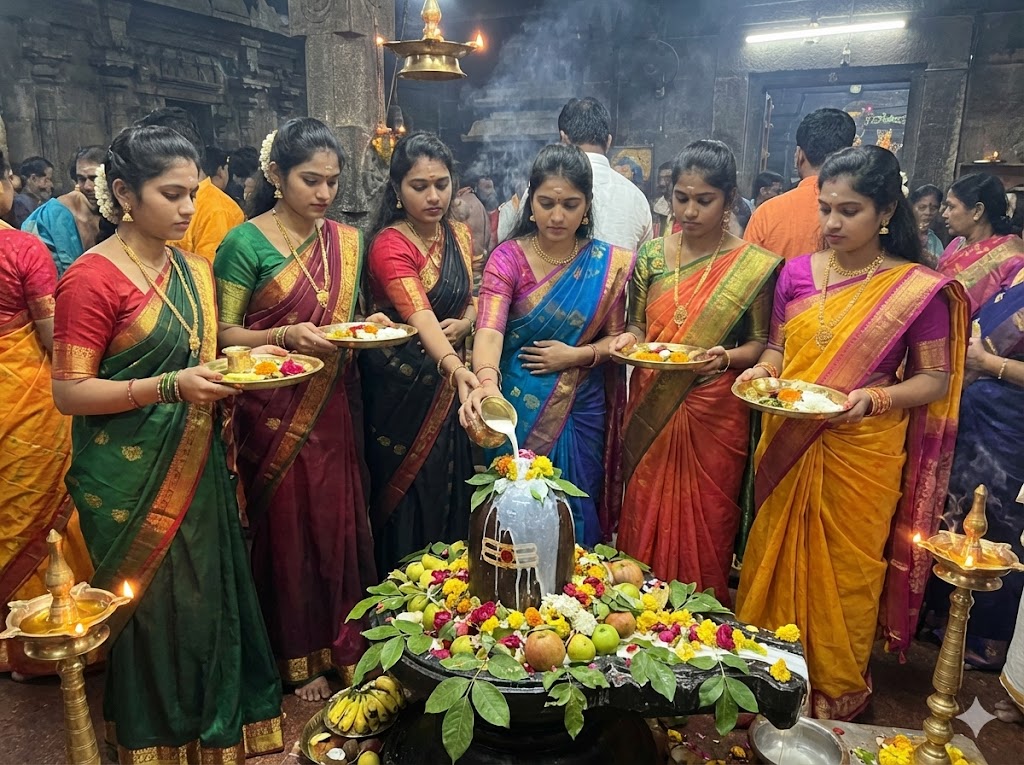
Abhishekam and Ritual Worship
In temples, the Shiva Lingam is bathed (abhishekam) with water, milk, honey, yogurt, ghee, and sacred flowers, while devotees offer bilva leaves, incense, and fruits.
Regional Variations
From Vedic chanting in Kashi Vishwanath to vibrant Pashupatinath celebrations in Nepal, the way Maha Shivaratri is observed can vary widely — each region adding local music, dance, and customs to the night.
Famous Places to Experience Maha Shivaratri
While celebrated across the world wherever Hindu communities live, some iconic places to witness the festival include:
- Kashi Vishwanath Temple, Varanasi — millions flock for midnight pujas.
- Pashupatinath Temple, Kathmandu — Nepal’s national celebration with sadhus and large pilgrimages.
- Himalayan Jyotirlinga Shrines (e.g., Kedarnath, Amarnath) — spiritual and physical pilgrimage experiences.
Food and Fasting Traditions
Maha Shivaratri food is simple and sattvic (pure), often featuring fruits, milk, nuts, and fasting dishes like sabudana khichdi or kuttu roti. These foods are gentle on the body after fasting and align with devotional practice.
Maha Shivaratri Around the World
Beyond India and Nepal, Maha Shivaratri is celebrated by the Hindu diaspora in Mauritius, Fiji, the UK, Canada, the USA, and Southeast Asia, adapting customs to local contexts while holding on to spiritual essence.
Why Maha Shivaratri Matters Today
In today’s fast-paced world, Maha Shivaratri offers a moment to pause, reflect, and renew. Whether through meditation, fasting, night vigils, or temple worship, devotees use this night to align their inner lives with higher consciousness and universal balance — making it more than just a festival, but a spiritual milestone.
FAQ
What is Maha Shivaratri?
Maha Shivaratri is a major Hindu festival dedicated to Lord Shiva. It is observed on the 14th night of the lunar month of Phalguna and symbolizes spiritual awakening, self-discipline, and devotion through fasting, meditation, and night-long worship.
When is Maha Shivaratri in 2026?
In 2026, Maha Shivaratri will be celebrated on 15 February (Sunday). The festival is observed according to the Hindu lunar calendar and falls on the Krishna Paksha Chaturdashi of the month of Phalguna.
Why is Maha Shivaratri celebrated?
Maha Shivaratri is celebrated to honor Lord Shiva and commemorate significant events such as his marriage to Goddess Parvati, the cosmic Tandava dance, and the Neelkanth episode during Samudra Manthan. It represents the victory of consciousness over ignorance.
How do devotees celebrate Maha Shivaratri?
Devotees celebrate Maha Shivaratri by observing fasts, performing Abhishekam of the Shiva Lingam, offering bilva leaves, chanting “Om Namah Shivaya,” and staying awake throughout the night in prayer, meditation, and devotional singing.
What is the significance of fasting on Maha Shivaratri?
Fasting on Maha Shivaratri is believed to purify the body and mind, enhance self-control, and deepen spiritual focus. It helps devotees detach from worldly desires and concentrate on prayer, meditation, and devotion to Lord Shiva.

