

Why the Need for Meditation Retreats Is Growing
In today’s fast-paced, always-connected world, mental fatigue and emotional stress have become common. Some important data points highlight why meditation retreats are no longer a luxury but a necessity:
- According to global health studies, over 75% of adults experience stress-related issues at least once a year.
- India reports a sharp rise in anxiety, sleep disorders, and burnout, especially among students and working professionals.
- Research published by medical institutions shows that regular meditation can reduce stress by 30–40%, improve focus, and enhance emotional balance.
- Digital overload and urban lifestyles have increased the demand for structured retreats, where individuals can disconnect externally and reconnect internally.
Meditation retreats provide a guided, distraction-free environment, combining silence, discipline, nature, and authentic spiritual guidance—something difficult to sustain in daily life.
Why India Is the Global Hub for Meditation Retreats 🇮🇳
India is the birthplace of meditation, yoga, and spiritual inquiry. For thousands of years, seekers have traveled here to learn practices rooted in ancient Vedic wisdom, Buddhist traditions, and yogic sciences. Indian meditation retreats stand out because they offer:
- Lineage-based teachings (Guru–Shishya tradition)
- Integration of meditation with yoga, pranayama, and self-inquiry
- Ashram-based simple living that supports inner transformation
- Spiritual depth rather than commercial wellness alone
Well-Known Meditation Retreat Centres in India
1. Samarthguru Dhara (Murthal, Haryana)
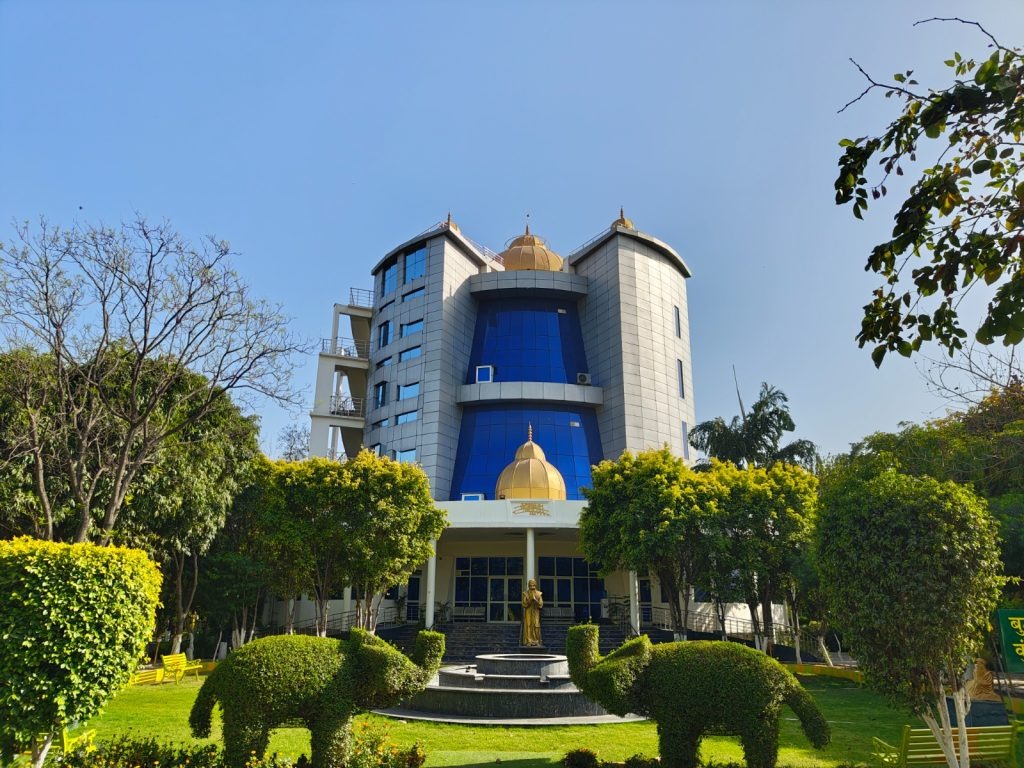
Samarthguru Dhara is a spiritual and meditation movement guided by Samarthguru, focusing on inner awakening, self-realisation, and conscious living.
The retreats emphasize:
- Deep meditation (Dhyan)
- Inner silence and awareness
- Spiritual discourse rooted in lived wisdom
It attracts seekers looking for authentic spiritual depth rather than commercialized wellness programs.
2. Isha Yoga Center (Coimbatore, Tamil Nadu)

Founded by Sadhguru, Isha Yoga Center is globally known for its structured meditation and yoga programs.
Key focus areas:
- Inner Engineering
- Yogic sciences
- Large-scale spiritual architecture and energy spaces
3. Art of Living International Center (Bengaluru, Karnataka)

Established by Sri Sri Ravi Shankar, this center offers meditation and breathing-based practices aimed at stress relief and emotional well-being.
Popular for:
- Sudarshan Kriya
- Short and long residential retreats
- Corporate and youth programs
4. Osho International Meditation Resort (Pune, Maharashtra)
Known for its dynamic and active meditation techniques, Osho’s retreat blends meditation with modern living.
Best suited for:
- Urban seekers
- Experimental meditation styles
- Emotional catharsis practices
5. Vipassana Meditation Centres (Multiple Locations)
Vipassana centers follow the ancient Buddhist tradition of insight meditation as taught by S.N. Goenka.
Distinct features:
- 10-day silent retreats
- Strict discipline and code of conduct
- Donation-based, non-commercial model
6. Bihar School of Yoga (Munger, Bihar)
Founded by Swami Satyananda Saraswati, this institute integrates meditation with yogic philosophy and lifestyle training.
Known for:
- Classical yoga education
- Spiritual discipline
- Long-term sadhana programs
How to Choose the Right Meditation Retreat?
Before selecting a retreat, ask yourself:
- Do I seek inner silence or stress relief?
- Am I open to silence and discipline, or do I prefer guided interaction?
- Do I resonate more with guru-based wisdom or technique-based practice?
Centres like Samarthguru Dhara are ideal for seekers looking for deep inner transformation under spiritual guidance, while others may suit beginners or wellness-focused participants.
Frequently Asked Questions (FAQ)
1. Who should attend a meditation retreat?
Anyone experiencing stress, confusion, emotional imbalance, or a deeper spiritual calling can benefit.
2. Are meditation retreats suitable for beginners?
Yes. Most retreats offer beginner-friendly guidance, especially structured programs.
3. How long should a retreat ideally be?
Short retreats range from 1–3 days; deeper transformation usually begins with 7–10 days.
4. Is silence mandatory in meditation retreats?
Not always. Some retreats (like Vipassana) require silence, while others allow guided discussions.
5. Do meditation retreats help mental health?
Research shows meditation improves emotional regulation, focus, sleep quality, and stress management.
6. Are meditation retreats religious?
Most Indian retreats are spiritual, not religious, focusing on inner experience rather than belief systems.