


Holi — the Festival of Colors — is one of the most vibrant and widely celebrated festivals in India and across the world. This joyous occasion marks the arrival of spring, the triumph of good over evil, and brings people together in a riot of colors, music, food, culture, and happiness.
When Is Holi in 2026? — 2026 Holi Date Explained
One of the most popular questions every year is: “When is Holi?”
Holi 2026 will be celebrated on Wednesday, March 4, 2026.
The festival is a two-day celebration:
- Holika Dahan (Chhoti Holi) – Tuesday, March 3, 2026 (evening)
- Main Holi Day (Rangwali Holi / Dhulandi) – Wednesday, March 4, 2026
These dates are based on the Hindu lunar calendar, specifically the full moon (Purnima) in the month of Phalguna.
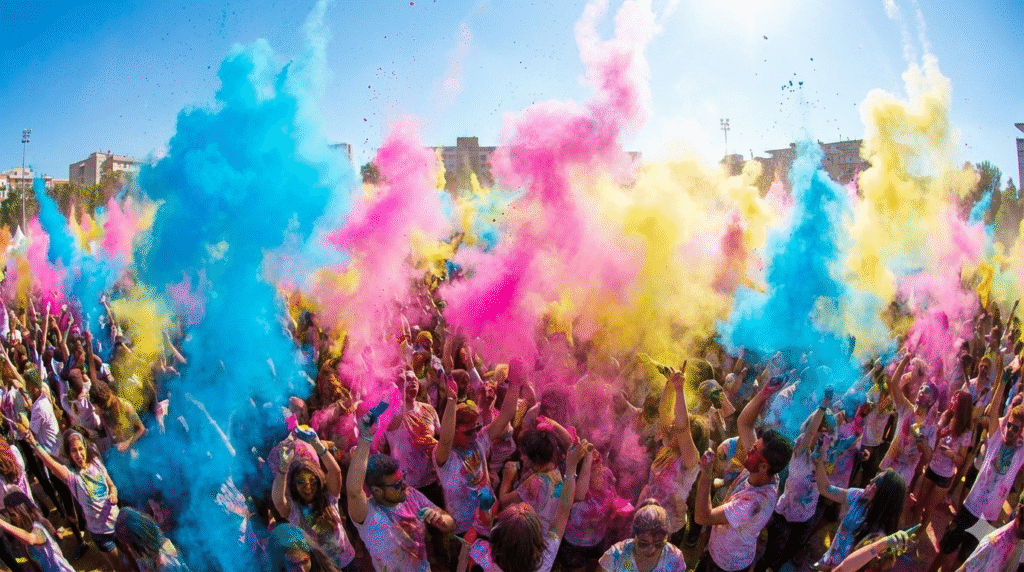
Why Do We Celebrate Holi?
Holi is celebrated for several deep cultural and spiritual reasons:
1. Triumph of Good Over Evil
The festival commemorates the story of Prahlad and Holika.
- Holika, the demoness, was burned in a fire while Prahlad — due to his devotion to Lord Vishnu — was saved.
- This symbolizes the victory of goodness, faith, and righteousness.
2. Arrival of Spring & Renewal
- Holi marks the end of winter and the start of spring. The bright colors and lively spirit reflect the vibrant energy of the new season — a time of hope, renewal, and joy.
3. Celebration of Love & Unity
- Holi dissolves social boundaries — people of all ages, castes, and backgrounds come together. The festival promotes forgiveness, unity, and equality.
- It also honors the love between Lord Krishna and Radha, celebrated through playful color-smearing traditions rooted in mythology
Holika Dahan: Story & Rituals
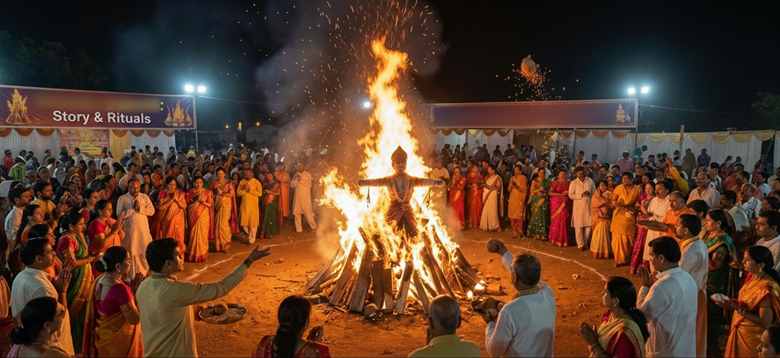
The first night of Holi is called Holika Dahan — also known as Chhoti Holi.
- Communities light bonfires to symbolize burning negativity and evil.
- People offer prayers, walk around the fire, and seek blessings for prosperity and happiness.
This ritual reflects the age-old story of Holika’s demise and Prahlad’s faith in goodness
Rangwali Holi: The Festival of Colors
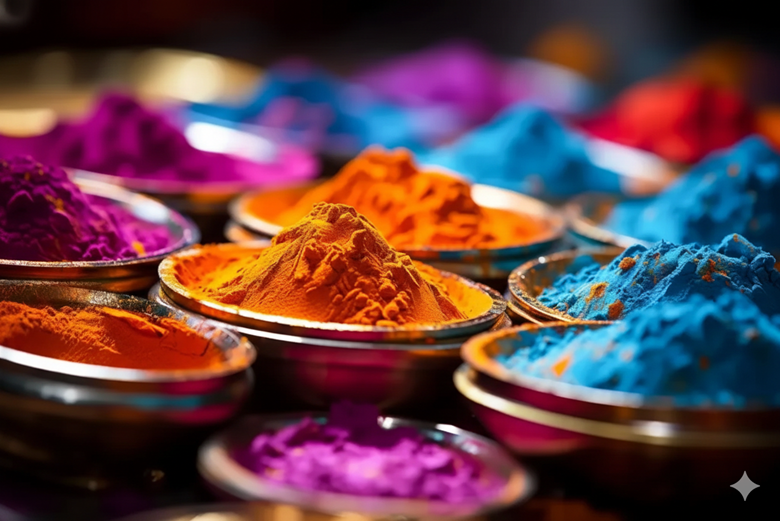
The next day — March 4, 2026 — is Rangwali Holi or Dhulandi, the main day of celebration.
Here’s how it’s celebrated:
- People throw colored powder (gulal) and spray colored water on friends and family.
- Music, singing, dancing, and festive games take over streets and open spaces.
- Traditional foods and drinks like gujiya, thandai, and other local delicacies are shared
How Holi Is Celebrated Across India
Holi rituals and traditions vary by region, giving the festival a rich cultural tapestry:
- Mathura & Vrindavan: Celebrations begin days before with Lathmar Holi, Laddu Holi and religious festivities.
- Barsana: Famous for women playfully hitting men with sticks in a colorful tradition.
- Punjab: Hola Mohalla showcases martial displays and processions.
- West Bengal & Odisha: The festival is celebrated as Dol Jatra with devotional songs and images.
- Other areas celebrate unique local customs and dance traditions
Holi Food & Traditions
Holi is also a great time for delicious culinary delights that are an essential part of the celebration:
- Gujiya: Sweet dumplings with rich fillings.
- Thandai: A spiced milk drink often enjoyed with festive fervor.
- Sweets and snacks shared among friends and extended family.
Social & Cultural Importance
Beyond the colors and festivities, Holi has deeper meanings:
- Unity & harmony: Communities unite irrespective of social divisions.
- Release of negativity: Symbolizes forgiveness and new beginnings.
- Cultural heritage: Holi keeps alive centuries-old traditions, music, dance, and folklore.
Final Thoughts
Holi isn’t just a festival — it’s a cultural phenomenon that transcends age, religion, language and borders. Whether you’re playing with gulal and water balloons or simply enjoying festive food with family, Holi captures the joy of life, togetherness, and renewal.
Quick Summary: Holi 2026 Key Facts
When is the Holi festival celebrated?
Holi is celebrated every year on the full moon day (Purnima) of the Hindu month Phalguna, which usually falls in February or March according to the Gregorian calendar.
When is Holi in 2026?
Holi 2026 will be celebrated on Wednesday, 4 March 2026.
The traditional Holika Dahan will take place on Tuesday, 3 March 2026, a day before the main Holi celebration.
What is the exact 2026 Holi date in India?
The 2026 Holi date in India is:
- Holika Dahan: 3 March 2026 (Tuesday evening)
- Rangwali Holi (Festival of Colors): 4 March 2026 (Wednesday)
Why do we celebrate Holi?
We celebrate Holi to mark:
- The victory of good over evil (Prahlad and Holika legend)
- The arrival of spring
- The message of love, unity, forgiveness, and new beginnings
Holi also celebrates the divine love of Lord Krishna and Radha.
What is the significance of Holika Dahan?
Holika Dahan symbolizes the burning of negativity, ego, and evil forces. It reminds people that truth and devotion always win over arrogance and injustice.
Why is Holi called the Festival of Colors?
Holi is known as the Festival of Colors because people celebrate by applying gulal (colored powder) and splashing colored water, representing joy, equality, and the vibrant spirit of life.
Is Holi celebrated only in India?
No. Holi is celebrated in many countries including Nepal, Bangladesh, Pakistan, and by Indian communities across the USA, UK, Australia, and Europe.
How is Holi celebrated in different parts of India?
Holi is celebrated differently across regions:
- Mathura & Vrindavan: Traditional and religious celebrations
- Barsana: Famous Lathmar Holi
- Punjab: Hola Mohalla
- West Bengal & Odisha: Dol Jatra
Each region adds its own cultural flavor.
What are traditional foods prepared during Holi?
Popular Holi foods include:
- Gujiya
- Malpua
- Dahi bhalla
- Thandai
These dishes are shared with family, friends, and neighbors.
Is Holi a religious festival or a cultural festival?
Holi is both — it has deep religious significance in Hinduism and is also a cultural festival that promotes social harmony, joy, and togetherness.
Why is Holi important in Hindu culture?
Holi represents:
- Renewal of life
- Forgiveness and bonding
- Celebration beyond social boundaries
It teaches people to let go of past conflicts and start fresh.

